
Bail vs Bond: What’s the Difference San Antonio TX
A San Antonio bondsman’s straight answer on who pays what and which one applies to your case.
What Our San Antonio Clients Say About Us
People use the words bail and bond like they’re the same thing, even police, courts, and news reports do it. They’re not. The distinction matters because it changes how much money comes out of your pocket and who’s on the hook for what.
Below, we’ll break down what bail actually is and what a bond actually is. We’ll also cover how the two relate, and which path tends to make more sense for San Antonio families dealing with an arrest.
The Short Answer: Bail Is the Amount, a Bond Is How You Pay It
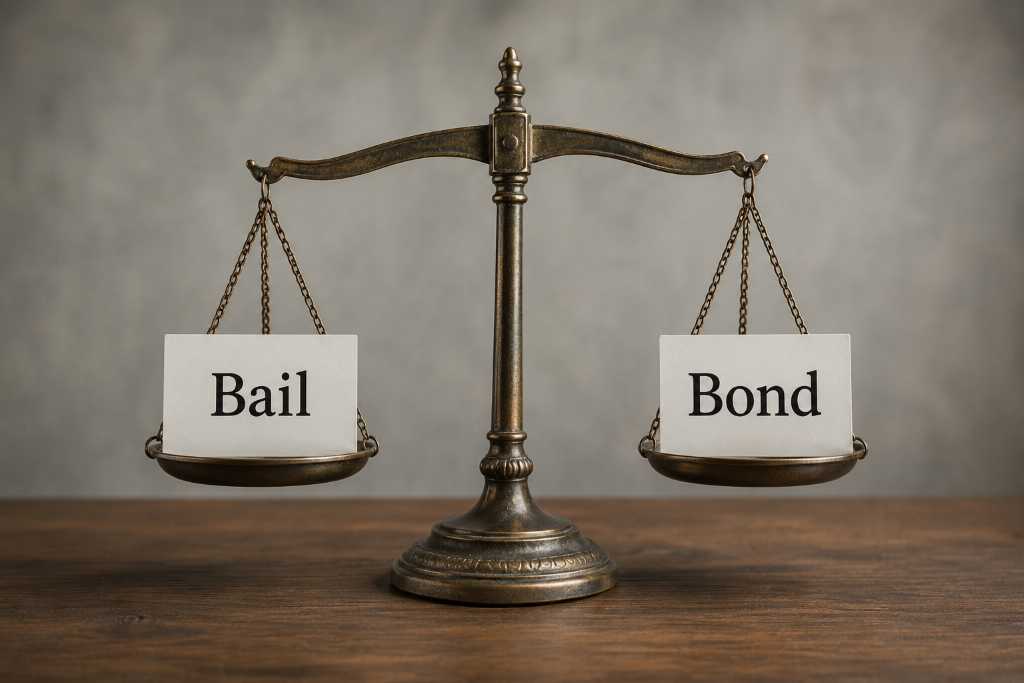
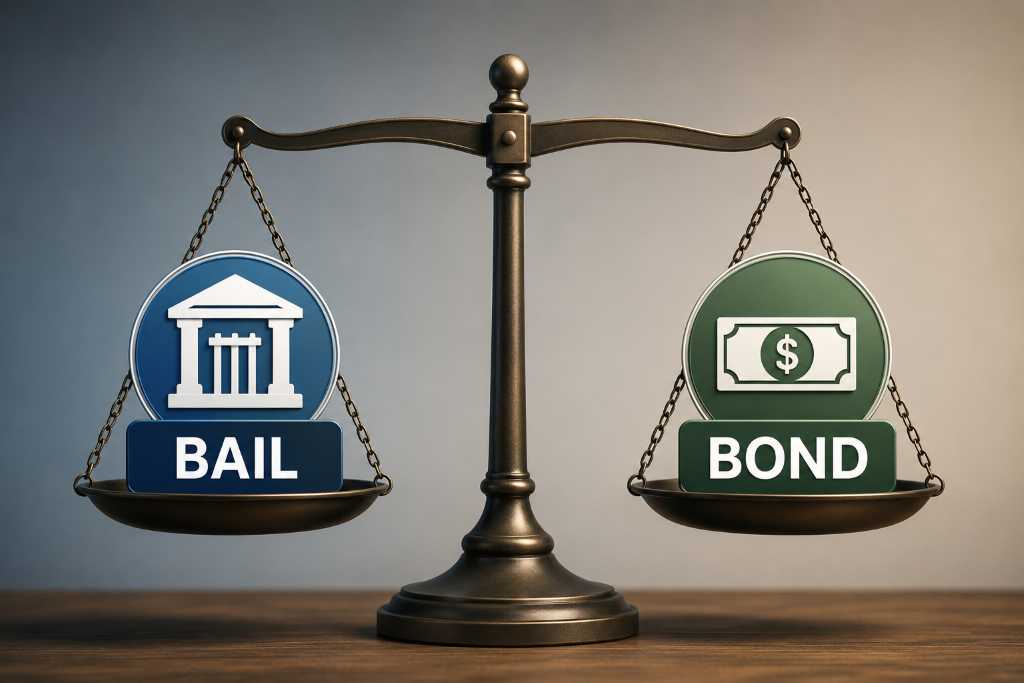
In Texas, bail is the dollar amount a judge sets for someone’s release from jail. A bond is the mechanism used to satisfy that amount. You can pay bail directly to the court in cash, or you can post a bond through a licensed bondsman who guarantees the bail on your behalf.
Both paths get the same result: the defendant gets out of jail until the case is resolved. The differences come down to upfront cost, who carries the financial risk, and how much of the money comes back.
That’s the whole framework. Everything else, refundability, fees, who can post it, comes from this one distinction.
What Bail Actually Means in Texas
Bail is the figure the judge attaches to a case at magistration, the hearing shortly after arrest where charges are read and conditions of release are set. The judge weighs the charge, criminal history, ties to the community, and flight risk when deciding the amount.
If you pay bail directly to the court, you’re paying the full amount in cash. That money sits with the court for the duration of the case. Assuming the defendant shows up to every hearing, the bail is returned at the end of the case, minus any administrative fees. Bail itself isn’t a punishment. It’s a financial guarantee that the defendant will return to court. If they skip, the bail is forfeited, and the court keeps the money.
What a Bail Bond Is and How It Works in San Antonio
A bail bond is what many San Antonio families end up using because writing a five-figure check to the court isn’t realistic. Instead of paying the full bail amount, you pay a licensed bondsman the standard 10% premium and they post the full bail with the court.
That 10% premium is the bondsman’s service fee. It’s non-refundable because it’s the cost of the bondsman taking on the financial risk of the full bail amount. If the defendant skips court, the bondsman is the one on the hook for the rest.
Bonds in San Antonio come in a few forms. Cash bonds are paid in full directly to the court, while surety bonds are posted through a licensed bondsman. The exact mechanics depend on the case and the family’s situation.

Bail vs Bond: A Side-by-Side Comparison
The clearest way to see the difference is to put the two paths next to each other. Here’s how they stack up:
| Factor | Bail | Bond |
| Definition | The dollar amount the judge sets for release | The mechanism used to pay or secure that amount |
| Who pays | Defendant or family pays the court directly | Bondsman posts the bail; family pays the bondsman a fee |
| Upfront cost | 100% of the bail amount | Standard 10% premium of the bail amount |
| Refundable | Returned at case end if all court dates met | 10% premium is non-refundable |
| Bondsman required | No | Yes, a licensed bail bondsman |
The big trade-off is simple. Paying bail directly costs more upfront but you get most of it back. Posting a bond costs much less upfront but the 10% premium stays with the bondsman.
Choosing Between Bail and Bond in Bexar County TX
If the bail amount is small and you have the cash on hand, paying the court directly can be the cleaner path. You get your money back at the end of the case, and there’s no bondsman in the picture.
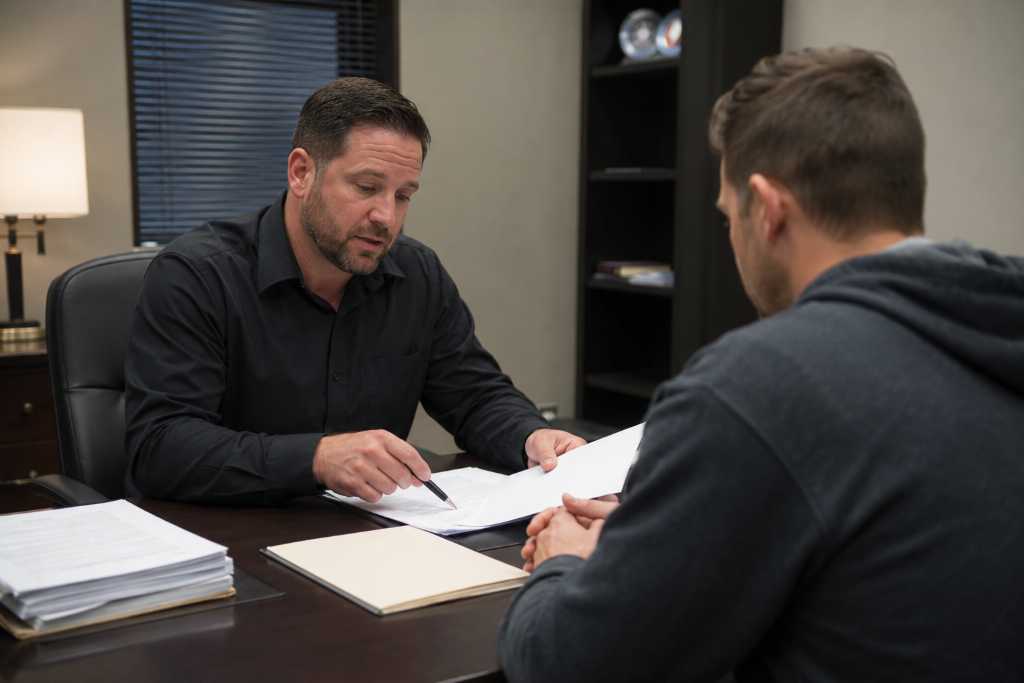
For many Bexar County families, the bail amount is large enough that paying it in full isn’t practical. A $20,000 bail isn’t something the average household can pull together at 2 a.m. on a Tuesday. That’s when a bondsman makes sense, since you’re only out the 10% premium and your loved one can come home the same day.
In nearly 40 years writing bonds in San Antonio, the families we work with often don’t have the option of paying bail directly. The bond exists for a reason. It makes release possible without tying up money you’d need for rent, groceries, and the legal costs that follow an arrest.
Frequently Asked Questions (FAQs)
1. Are bail and bond the same thing?
No. Bail is the dollar amount the court sets. A bond is the method used to pay or guarantee that amount, usually through a bail bond company that charges a non-refundable fee.
2. Do you get bail money back at the end of the case?
With cash bail, yes, as long as the defendant attends every required court date. The 10% premium paid to a bail bondsman is non-refundable regardless of how the case turns out.
3. Is a bail bond cheaper than paying cash bail?
Up front, yes. A bail bond costs 10% of the bail amount, while cash bail requires the full amount. But the bond fee is non-refundable, while cash bail is returned at the end if the defendant complies.
4. What’s a personal recognizance bond?
A PR bond allows release without paying bail upfront. The defendant signs a written promise to appear in court. PR bonds are typically reserved for low-level offenses and defendants with strong community ties.
Need Help With a Bail Bond in San Antonio?
If you’re trying to figure out the bail vs bond question, you’re probably doing it because someone you love is sitting in jail right now. The path forward is simpler than the terminology suggests. A licensed bondsman can walk you through what makes sense for your situation in plain language.
McRae Bail Bonds has been helping San Antonio families post bonds for close to 40 years. The company is licensed through the Bexar County Bail Bond Board (license #46), runs 24/7, and offers bilingual support across Bexar and surrounding counties.
If you have questions about bail, bond, or release options, talk to an experienced San Antonio bail bondsman by calling (210) 533-5292. We answer day or night and explain everything before anything is decided.